Moving to Doha, the capital of Qatar, can feel both exciting and overwhelming. With its modern skyline, strong economy, and large international community, Doha has become one of the Gulf’s most popular destinations for expatriates. Whether you’re relocating for work, family, or a new adventure, this essential expat guide will walk you through the most important things to know, from visas and cultural norms to finances and daily living.
Visa and Residency
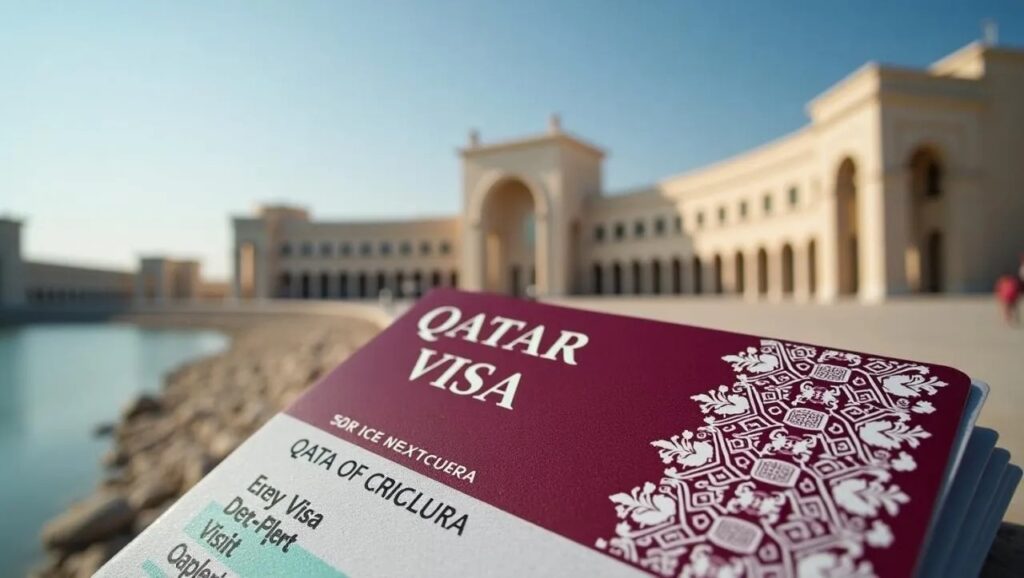
Before packing your bags, understanding Qatar’s visa and residency system is crucial.
Tourist and Entry Visas
Qatar offers a visa-waiver program for citizens of around 80 countries. Visitors can typically stay between 30 and 180 days depending on nationality. Tourist visas are generally valid for one month and are not extendable, so they are not suitable for long-term stays.
Work Residence Permit
If you plan to live and work in Doha, you will need a Work Residence Permit. The good news is that your employer usually handles the paperwork. This permit is typically renewed annually and allows you to:
- Sign rental agreements
- Open a bank account
- Apply for loans
- Obtain or convert a driving license
Once you receive your residence permit, you can also sponsor family members. They can apply for Family Residence Visas, which usually last between one and five years.
Interestingly, wives under a Family Residence Visa may work in Qatar, provided they have approval from their husband.

Cultural Etiquette and Laws
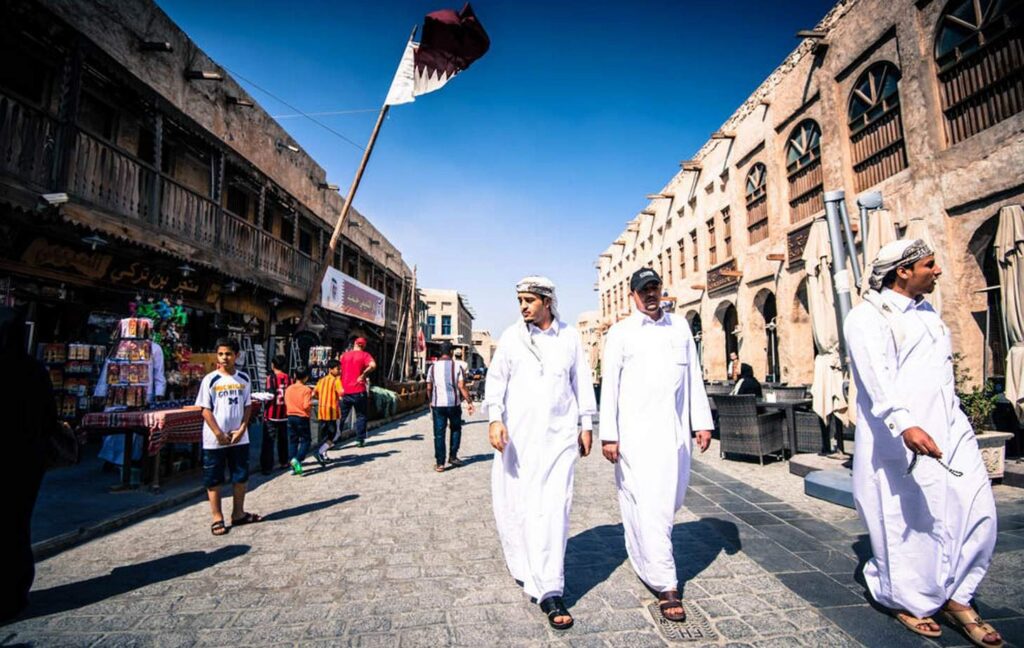
Qatar is a modern country, but it is still deeply rooted in Islamic traditions. Understanding and respecting local customs will make your transition smoother.
Language
The official language is Arabic, specifically Qatari Arabic. However, English is widely spoken and commonly used in business, schools, and daily interactions. You’ll have little trouble getting around using English, but learning a few Arabic phrases can go a long way in showing respect.
Dress Code
Modesty is key. Women are not required to wear an abaya or hijab, but clothing should cover shoulders, upper arms, and knees. Men should avoid wearing shorts or sleeveless shirts in public spaces.
Social Etiquette
- Always use your right hand for eating or passing food. The left hand is considered unclean.
- Public displays of affection are frowned upon, even between married couples.
- Avoid sensitive topics like politics and religion unless you know the person well.
- When greeting, handshakes are common among men. When greeting women, wait to see if they extend their hand first.
Family is highly valued in Qatari culture. Asking about someone’s family is considered polite and friendly.
Alcohol and Pork
Bringing alcohol into Qatar is illegal. However, non-Muslim expats can purchase alcohol from the licensed distributor, Qatar Distribution Company, with a permit. Alcohol is also available in licensed hotels and restaurants.
Pork is not available in regular supermarkets and can only be purchased from the same licensed distributor.
Ramadan and Religious Observance
During the holy month of Ramadan, eating or drinking in public during daylight hours is prohibited. It’s important to respect this rule. Public holidays often follow the Islamic lunar calendar, including Eid al-Fitr and Eid al-Adha.

Living and Finances
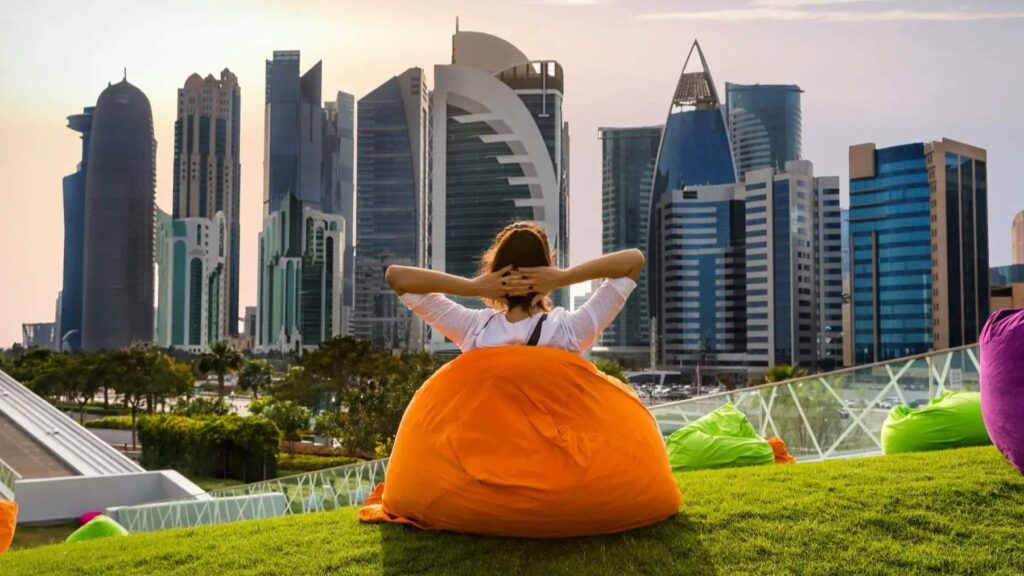
Living in Doha offers a high standard of comfort, but it comes with financial considerations.
Accommodation
Most expats choose to live in Doha rather than smaller towns. Popular housing options include:
- Gated compounds with shared facilities (pools, gyms, small shops)
- Villas (ideal for families)
- Apartments in central urban areas
Rental contracts are typically one year, and most properties are fully furnished. Utilities are often not included in rent, so always confirm this before signing a lease. Due to the intense summer heat (temperatures can reach 50°C), air conditioning is essential and can significantly increase electricity bills.
Cost of Living
Accommodation is the biggest expense for most expats. Many employers offer a housing allowance as part of the salary package.
Other financial considerations:
- International school tuition fees can be high.
- Groceries can be expensive because Qatar imports around 90% of its food.
- Air conditioning usage increases utility bills during summer.
The positive side? There is no personal income tax in Qatar. However, you should check if you remain liable for taxes in your home country.
Banking
Opening a bank account is straightforward once you have your residence permit. You’ll typically need:
- Passport
- Residence permit
- Employer letter
Many banks operate in both Arabic and English. International banks like HSBC and Standard Chartered have branches in Qatar, which is convenient if you already bank with them.
Bank hours usually run Sunday to Thursday, from around 7:30 am to 1:00 pm.
Healthcare
Healthcare standards in Qatar are excellent. Expats can apply for a government health card to access subsidized public healthcare. However, many choose private healthcare for faster service and English-speaking staff.
Private medical insurance is highly recommended, especially since many hospitals are privately operated.
In case of emergencies, dial 999 for police, ambulance, or fire services.
Living in Doha offers a unique mix of modern luxury and traditional culture. With tax-free salaries, strong career opportunities, and a growing expat community, it’s easy to see why many people choose Qatar as their home away from home.
The key to a successful move is preparation: understand your visa status, respect local customs, and plan your finances wisely. With the right mindset and cultural awareness, your new life in Doha can be both rewarding and enriching.